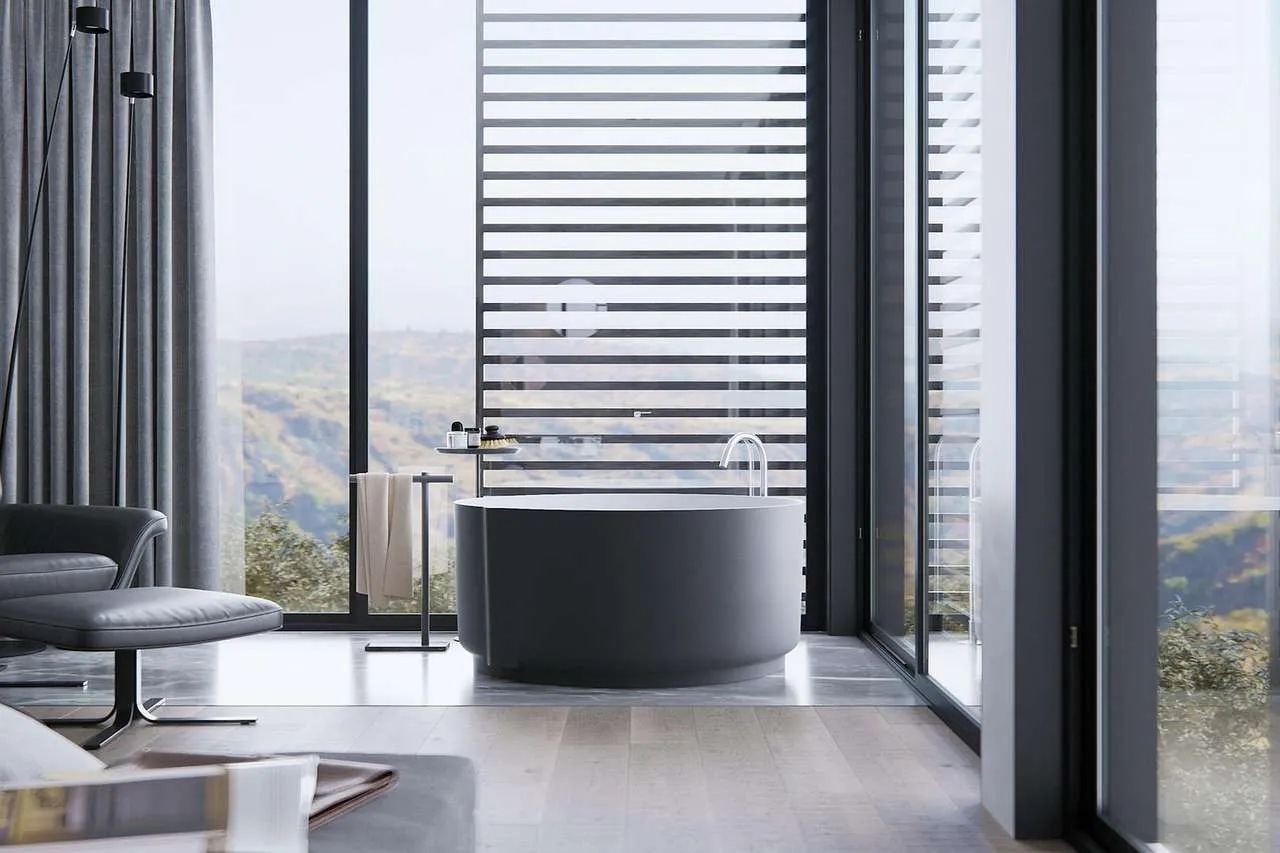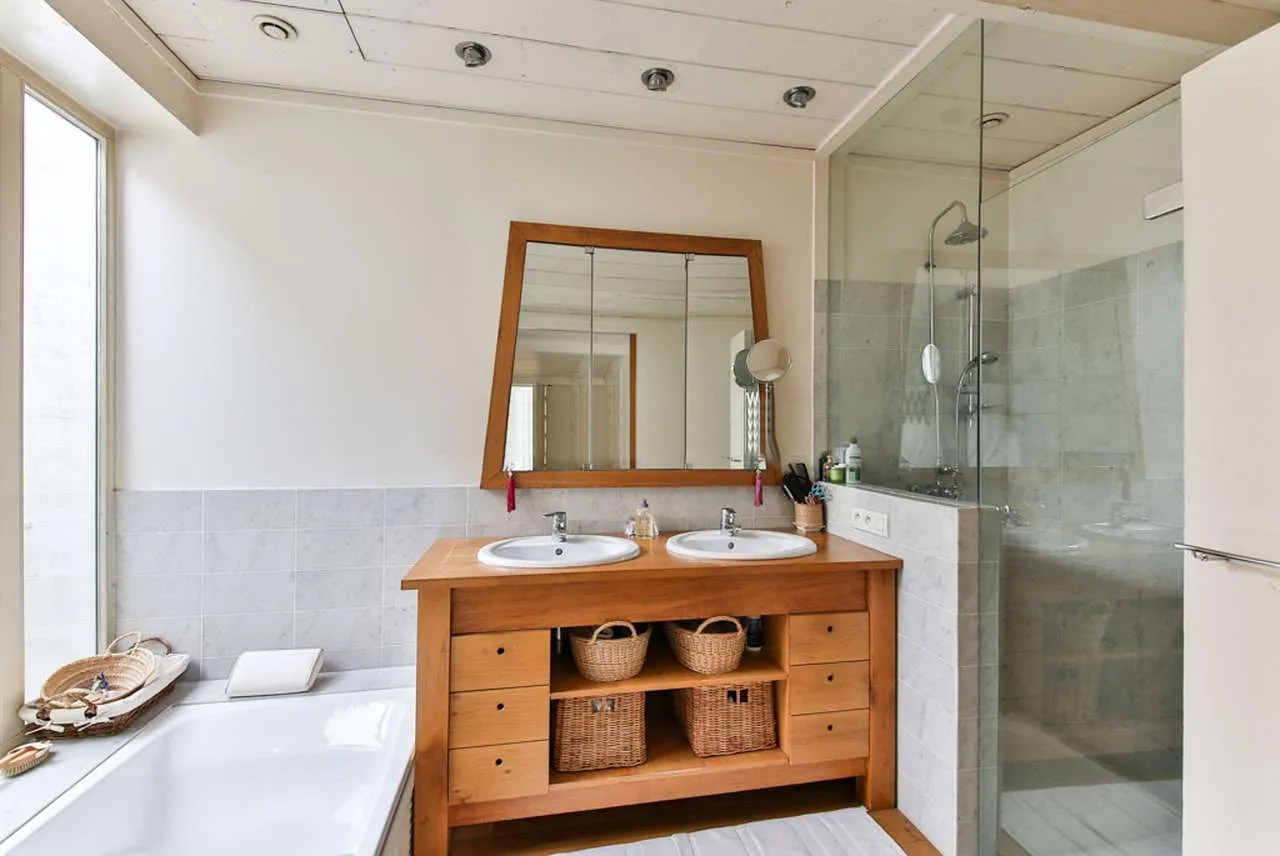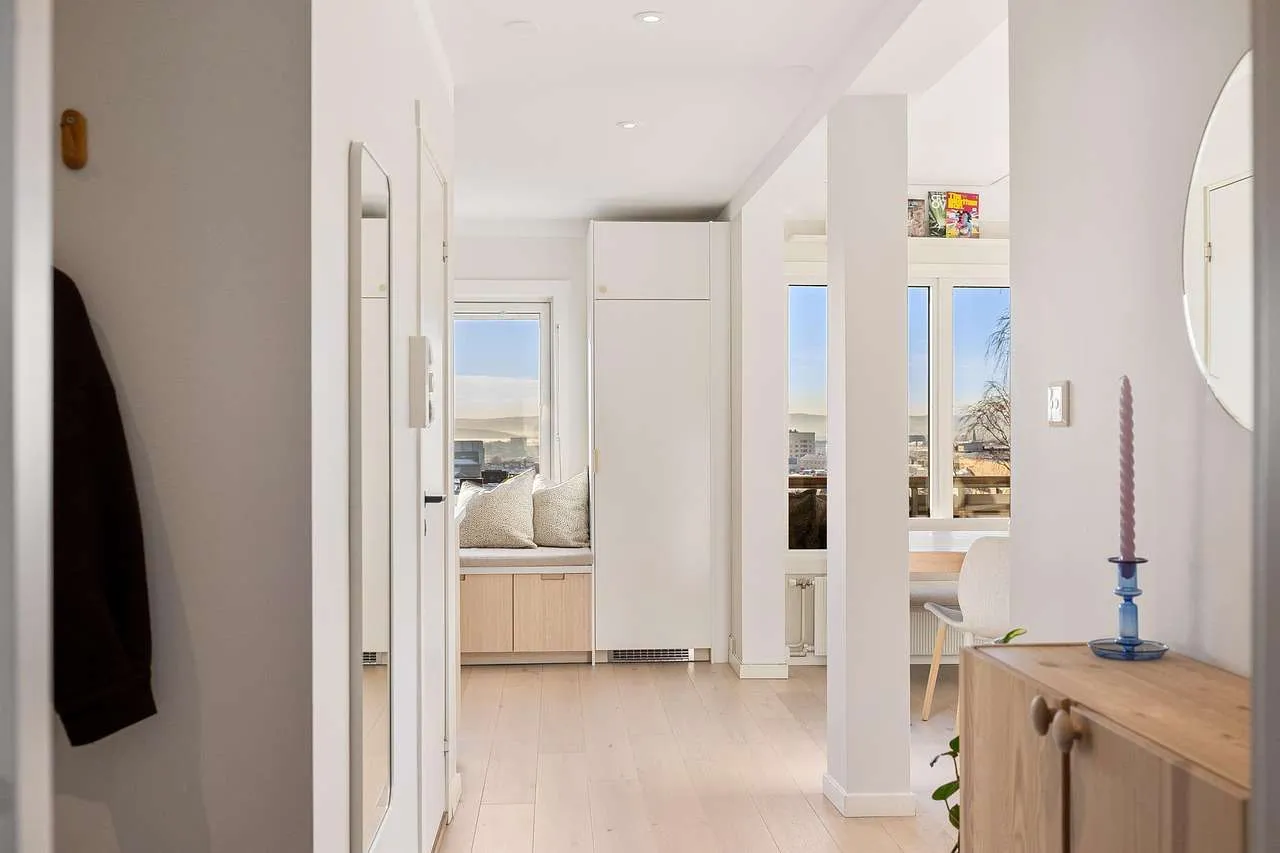
Window tint for home refers to a thin film applied to interior or exterior glass designed to reduce heat, glare, and UV exposure while improving privacy. Modern residential films come in a range of shades and performances, offering a balance between light transmission and comfort. When installed correctly, window tint for home can lower energy costs, protect furnishings from fading, and create a more consistent indoor climate throughout the year.
Benefits of Window Tint for Home
Energy efficiency is a primary reason homeowners choose window tint for home. High-performance films reject solar heat and can reduce the load on air conditioning by a noticeable margin, especially on south- and west-facing windows. This lowers energy bills and keeps rooms comfortable even during peak sun hours.
UV protection is another key benefit. Most residential films block up to 99% of ultraviolet rays, helping prevent skin damage and slowing the fading of furniture, carpets, and hardwood floors.
Glare reduction makes living spaces more comfortable for TV viewing, computer work, and reading. By controlling bright sunlight without a dark, dungeon-like interior, tint preserves natural light while reducing eye strain.
Privacy and aesthetics are also important. Window tint for home can range from barely perceptible to strongly tinted, offering daytime privacy for living rooms and fronts of homes while maintaining outward visibility from inside. A cohesive look can also protect the home’s interior design from sun damage.
Durability and preservation of interior assets are enhanced when the film is installed by a professional with a quality product. Properly installed films resist bubbling and peeling and can last many years with minimal maintenance.
Types of Window Tint for Home
Dyed Window Tint
Dyed films use a colored dye layer to absorb heat and provide privacy. They are typically among the most affordable options. Drawbacks include lower long-term color stability and moderate heat rejection compared with advanced films. They are best for budget-conscious projects and rooms with high sun exposure but moderate privacy needs.
Metalized Window Tint
Metalized films incorporate metallic particles that reflect a portion of the sun’s energy. They offer excellent heat rejection and glare control, along with added strength to the glass. However, they can interfere with wireless signals and may show visible bands in some lighting conditions. Privacy is usually moderate and varies by shade.
Ceramic Window Tint
Ceramic films use non-conductive particles to provide superior heat rejection, high UV protection, and strong glare reduction without metal. They are non-reflective, maintain clearer outward visibility, and are more durable over time. They tend to be more expensive but are favored for premium homes and sensitive electronics layouts.
Carbon Window Tint
Carbon films offer a matte finish with strong heat rejection and UV blocking. They don’t fade to a noticeable color over time and help preserve interior aesthetics. Privacy is typically good, and they perform well in both hot and temperate climates. Carbon films strike a balance between performance and price.
How to Choose the Right Window Tint for Home
Start by assessing climate and sun exposure. Hot, sunny rooms benefit most from high heat rejection, while milder climates can prioritize glare reduction and privacy. Consider the orientation of windows—south-facing walls receive the most sun and fire up the need for stronger films.
Evaluate window types and existing glazing. Some films perform best on standard double-glazed units, while specialty glazing may require professional evaluation or a different product.
Privacy, aesthetics, and safety are personal preferences. If daytime privacy is essential but you still need outward visibility at night, a mid-range tint or a non-reflective ceramic film is often the best fit.
Finally, check local regulations. Some jurisdictions restrict reflective or very dark films on street-facing windows. When in doubt, consult a licensed installer who understands local codes and warranty implications.
DIY vs Professional Installation
Installing window tint for home can be attempted as a DIY project if you have a small area and steady hands. DIY kits come with cleaning solutions, squeegees, and cut sheets. However, a flawless installation requires careful glass cleaning, precise cutting, and proper edge sealing to prevent peeling or hazing. Mistakes are more common on large or irregular-shaped panes and can void warranties.
Professional installation provides precise cuts, a cleaner finish, and warranty coverage. Pros also know how to handle window frames, corner edges, and moisture management, reducing the risk of bubbles or dust trapped under the film. If you have high-value windows or multi-room installations, professional service is usually the safer, longer-lasting choice.
Maintenance and Care
To keep window tint for home looking its best, clean with a soft microfiber cloth and mild soap or a cleaner that is alcohol- and ammonia-free. Avoid abrasive pads and rough scrubbing, which can scratch the film. Do not pressure wash or rub the film aggressively near edges. Over time, some films may show minor hazing near edges, which is typically cosmetic but should be inspected if peeling or bubbles develop.
Cost and Return on Investment
Prices vary by film type, shade, and window size. On average, residential window tint for home projects range from modest to premium: dyed films are the most affordable, while ceramic and carbon films sit at the higher end. Expect installation costs to be higher for large or uniquely shaped windows. While upfront costs can be significant, energy savings and protection against fading can translate into a favorable return over several years, especially in sun-drenched homes.
Film Types at a Glance
| Type | Heat Rejection | UV Blocking | Glare Reduction | Privacy | Durability | Cost | Best For |
|---|---|---|---|---|---|---|---|
| Dyed Window Tint | Medium | Moderate | Good | Low-Moderate | Lower | Low | Budget projects, less sun-heavy rooms |
| Metalized Window Tint | High | Moderate-High | High | Moderate | High | Medium-High | Glare control, energy-minded homes |
| Ceramic Window Tint | Very High | Very High | Excellent | Medium | Very High | High | Premium performance, electronics-friendly |
| Carbon Window Tint | High | High | High | Medium-High | High | Medium-High | Balanced performance |
Conclusion, choosing window tint for home involves balancing climate, light transmission, and budget while ensuring proper installation and maintenance. By understanding film types, assessing sun exposure, and aligning with local codes, homeowners can enjoy lasting energy savings, UV protection, and comfortable living spaces.