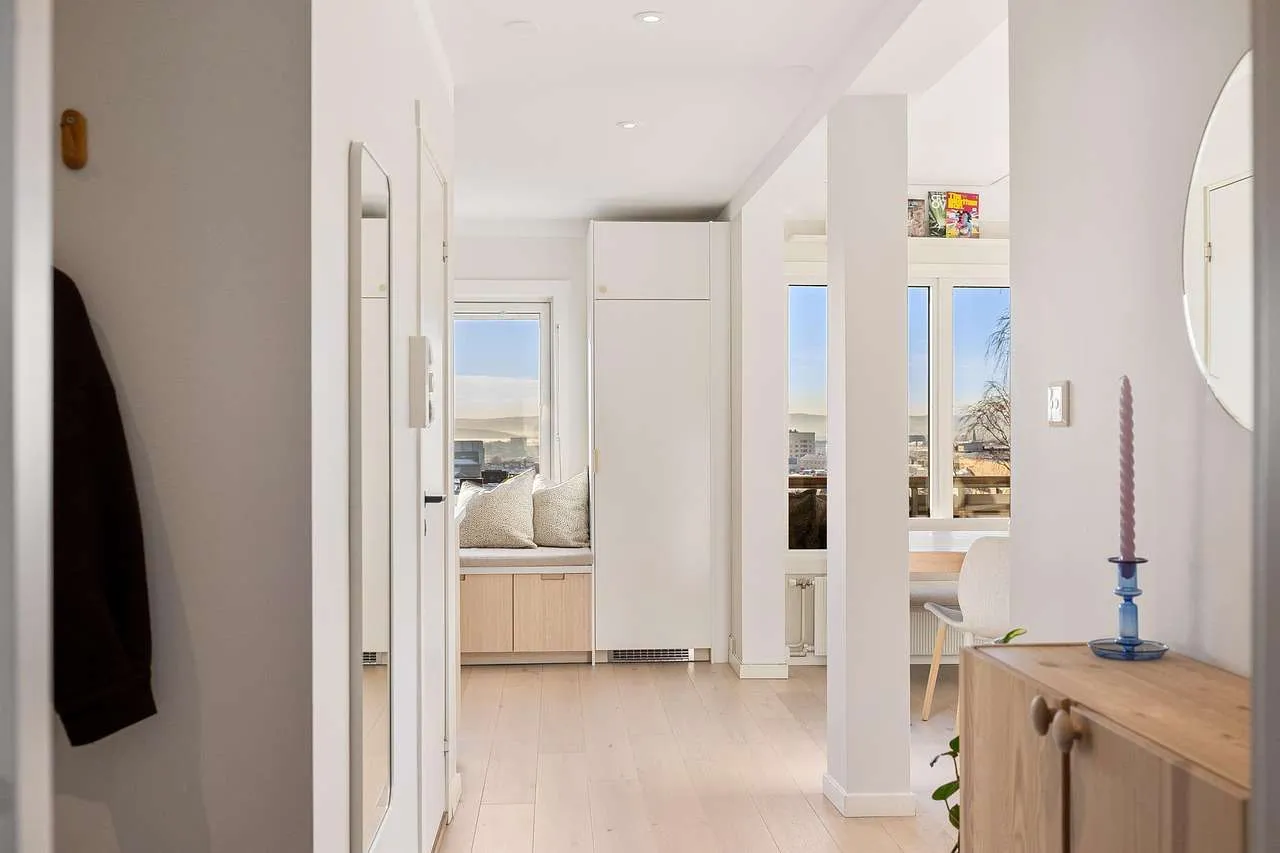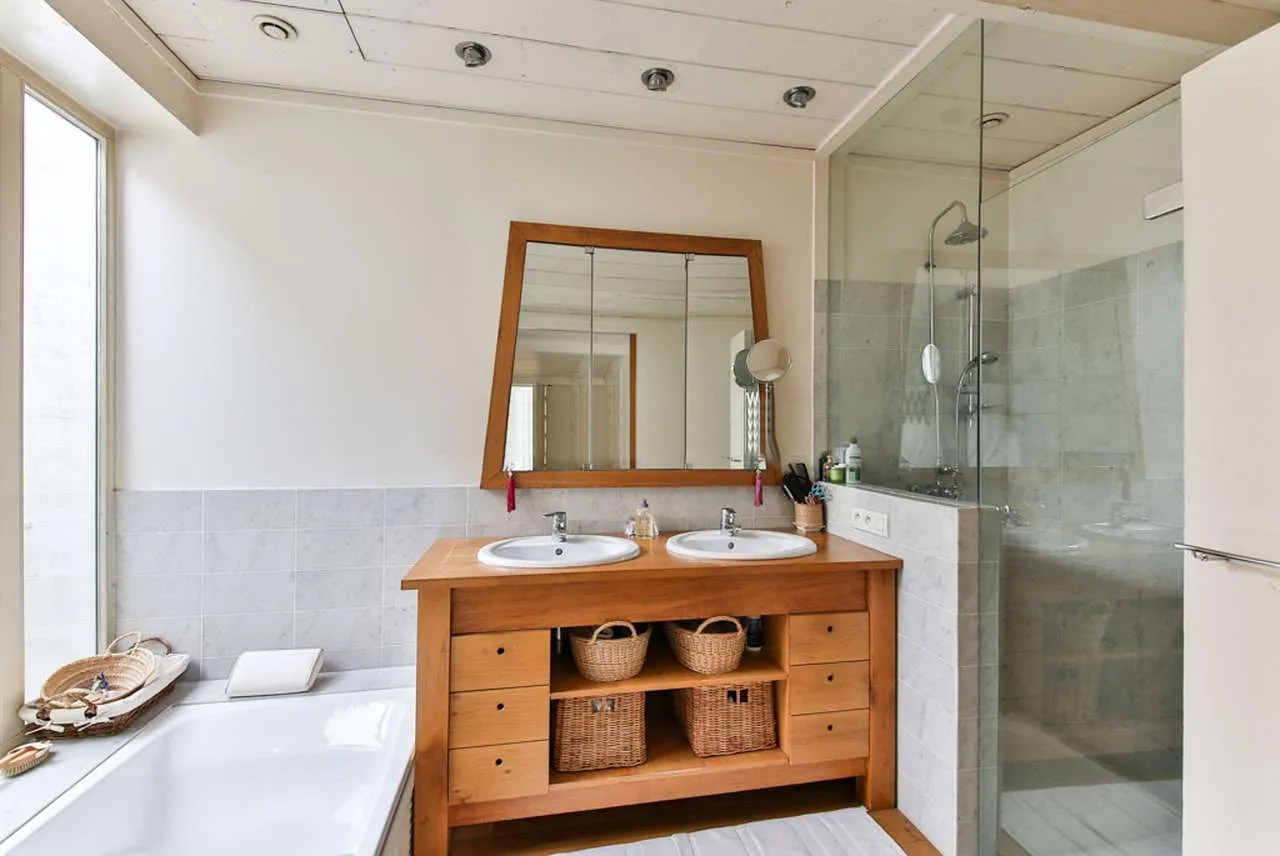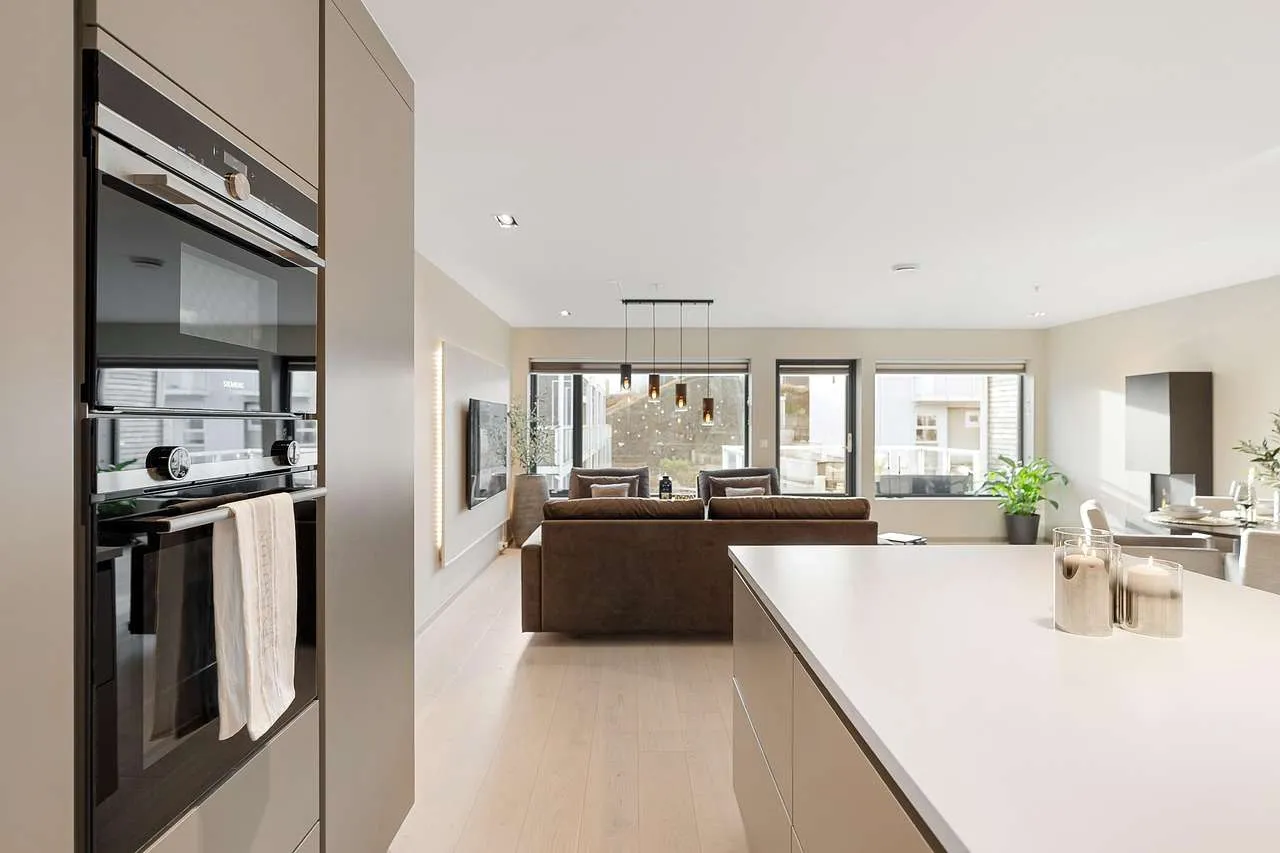
If you are searching for home window tinting near me, you are likely balancing energy savings, comfort, and style. A quality tint can lower heat gain in sunny rooms, block harmful UV rays, and improve privacy without sacrificing natural light. This guide helps homeowners assess local tinting options and choose a reputable installer with EEAT in mind.
Why choose a local home window tinting service
Local providers bring practical knowledge of climate, building codes, and neighborhood expectations. An experienced installer will advise on film choices that meet energy goals, glare reduction, and privacy needs while ensuring compatibility with existing windows and any security glass. Look for a business with a verifiable track record, transparent pricing, and aftercare support.
What to look for in a provider
- Licensing and insurance
- Manufacturer certification and trained installers
- Clear warranty terms and service commitments
- Evidence of completed projects and client reviews
- Written estimate with film type and expected performance
- Short lead times and a clean, safe installation process
Tint options and what they mean
| Dyed | Affordable, good shading | Prone to fading, lower UV protection | Budget projects |
| Metalized | Strong glare reduction, durable | Can interfere with electronics on some windows | Outside-facing heat control |
| Ceramic | Excellent UV protection, clear color, no metal | Higher cost | Energy efficiency with clarity |
| Spectrally selective | Tailored solar control, preserves visibility | Premium pricing | High performance homes |
The tinting process and timeline
A professional tint installation typically begins with a consultation to understand your goals and window specs. The technician will measure glass, help you choose a film that fits your climate and aesthetics, and schedule installation. On the day, windows are cleaned, film is cut to match each pane, and a meticulous installation is performed to avoid air pockets. Most residential projects cure within a few days, though a full hardening period may take 1 to 2 weeks for some films.
Costs and return on investment
Costs vary depending on window size, film type, and labor. In general, homeowners should expect a range that reflects the quality of the film and the experience of the installer. While premium ceramic or spectrally selective films cost more upfront, they often deliver greater energy savings, reduced fading of furnishings, and improved comfort year-round, which translates to long-term value.
Questions to ask during a consultation
- What film brands and ratings do you offer, and why
- Do you provide manufacturer warranties and installation guarantees
- Will you handle permits or confirm local codes if required
- Can you show recent projects with before and after photos
- What is the expected maintenance and cleaning guidance
Quick comparison of common film types
| Film Type | Pros | Cons | Best For |
|---|---|---|---|
| Dyed | Low cost, noticeable shade | Fades over time, less UV | Budget projects |
| Metalized | Excellent heat rejection | Possible electronics interference | Reducing exterior heat |
| Ceramic | Top UV control, high clarity | Higher price | Energy efficiency |
| Spectrally selective | Tailored solar control | Premium | High performance homes |
Maintaining tint is simple. Use non abrasive cleaners, avoid window seals with harsh chemicals, and allow the film to acclimate after installation.
In addition, ask about aftercare and warranty transferability to new homeowners, especially if you plan to move within a few years—this can impact resale value and buyer appeal.
Conclusion, choosing a reputable local provider for home window tinting near me brings energy savings, UV protection, and lasting value. Prioritize licensed installers, quality films, clear warranties, and transparent costs to ensure a safe, effective result.