Choosing bathroom tiles is a balance of style, durability, and maintenance. As a guide rooted in industry best practices, this article helps homeowners understand options and avoid common pitfalls when selecting bathroom tiles. The goal is to provide clear, evidence‑based recommendations from trusted sources, including manufacturers and professional installers, to support confident decisions.
Types of bathroom tiles
Tile choices vary by material, performance, and look. Ceramic tiles are a versatile, budget-friendly option with a glazed surface that resists moisture well. Porcelain tiles are denser and less porous, making them excellent for wet zones and high-traffic areas. Natural stone tiles, such as marble or travertine, bring luxury but require regular sealing and maintenance. Glass tiles offer reflective surfaces that brighten small bathrooms but can be slippery when wet and may require careful installation. Cement and fiber-cement tiles provide a contemporary feel and can be very durable when properly sealed. Consider the space, humidity levels, and maintenance tolerance when choosing among these options.
Choosing the right tile for your space
Selecting the right tile involves several practical considerations:
- Size and layout: Large-format tiles reduce grout lines and create a seamless look, while smaller tiles offer more grip in wet areas and are easier to fit into irregular spaces.
- Finish and texture: Glossy finishes look brighter and are easier to wipe, but can show smudges. Matte finishes hide imperfections but may require more frequent cleaning in some layouts.
- Slip resistance: In showers and bathroom floors, prioritize a slip-resistant surface. Look for a DCOF (dynamic coefficient of friction) rating appropriate for wet areas. For walls, slip resistance is less critical but still important for safety in shower enclosures.
- Durability rating: Porcelain typically offers higher density and a higher PEI (porcelain EN) rating, indicating better abrasion resistance for floors. This matters in busy households or rental properties.
- Moisture management: In damp rooms, choose tiles with low porosity (e.g., porcelain or glazed ceramic) and ensure proper waterproofing beneath the tile layer.
Installation basics
Proper installation is essential for long-lasting results. Key steps include:
- Substrate prep: A clean, flat, dry surface is critical. Uneven substrates require self-leveling compounds or additional backer board in wet zones.
- Waterproofing: In showers and bathtub surrounds, apply a waterproof membrane behind the backer board. This is a non-negotiable step for preventing water damage and mold growth.
- Substrate and thin-set: Use the right thin-set mortar compatible with your tile type and substrate. Follow manufacturer guidelines for cure times and coverage.
- Grouting and sealing: Epoxy grout offers excellent stain resistance in wet areas but is harder to work with. Cementitious grout is common and easy to apply but requires sealing on some natural materials. Seal natural stone tiles to protect against moisture and stains.
- Professional vs. DIY: Complex layouts, shaped spaces, or natural stone installations benefit from professional installers to ensure proper spacing and waterproofing.
Maintenance and cleaning
Maintenance extends tile life and keeps bathrooms looking fresh. Practical tips include:
- Sealing: Seal natural stone and cement tiles as recommended by manufacturers. Re-seal periodicially to maintain moisture resistance.
- Cleaning products: Use pH-neutral cleaners and avoid acidic or abrasive substances that can etch or dull the surface. For epoxy grout, clean with non-abrasive, soap-free solutions to preserve grout integrity.
- Grout care: Regular cleaning minimizes mold and mildew. Regrout or reseal when grout lines darken or crumble.
- Preventive habits: Wipe down shower walls after use, fix leaks promptly, and ventilate bathrooms to reduce humidity.
Design ideas and trends
Tiles define the mood of a bathroom. Popular approaches include:
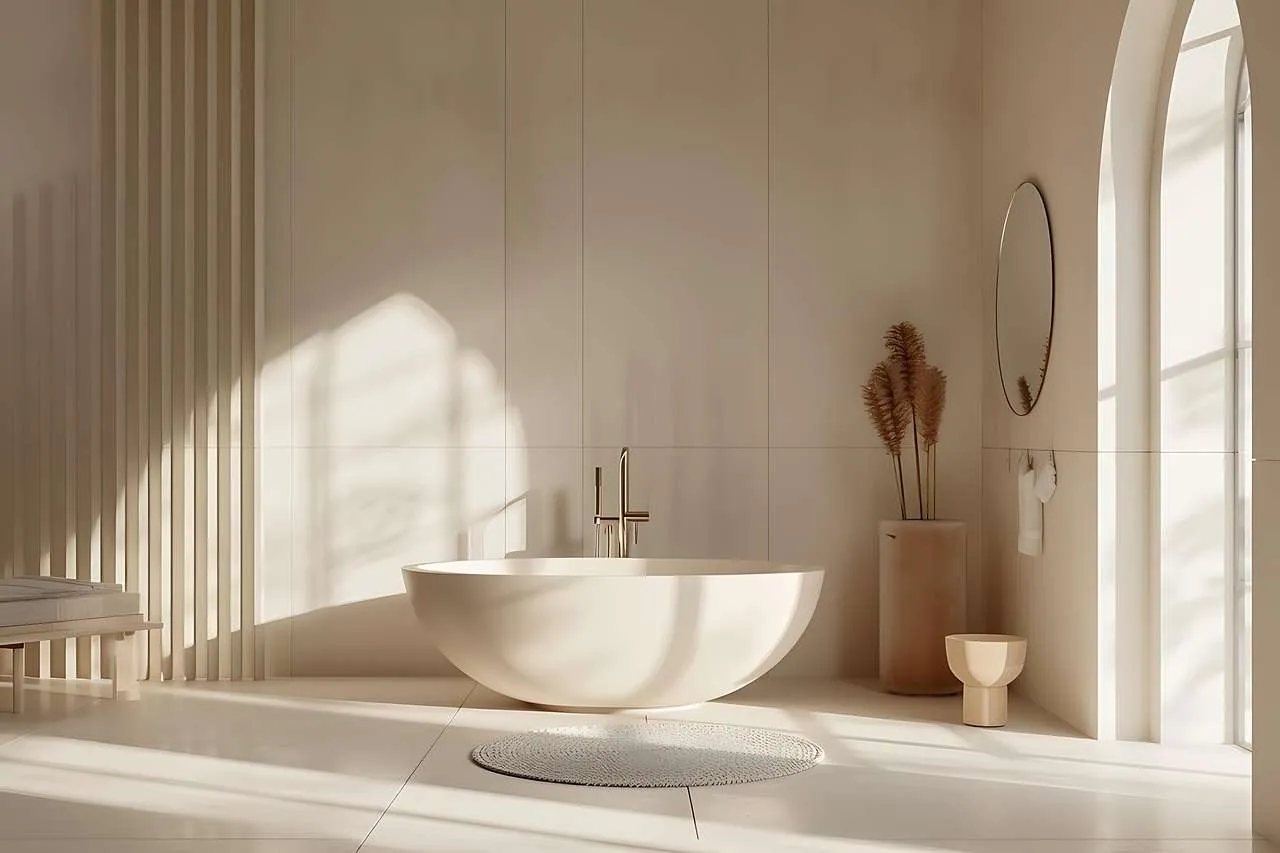
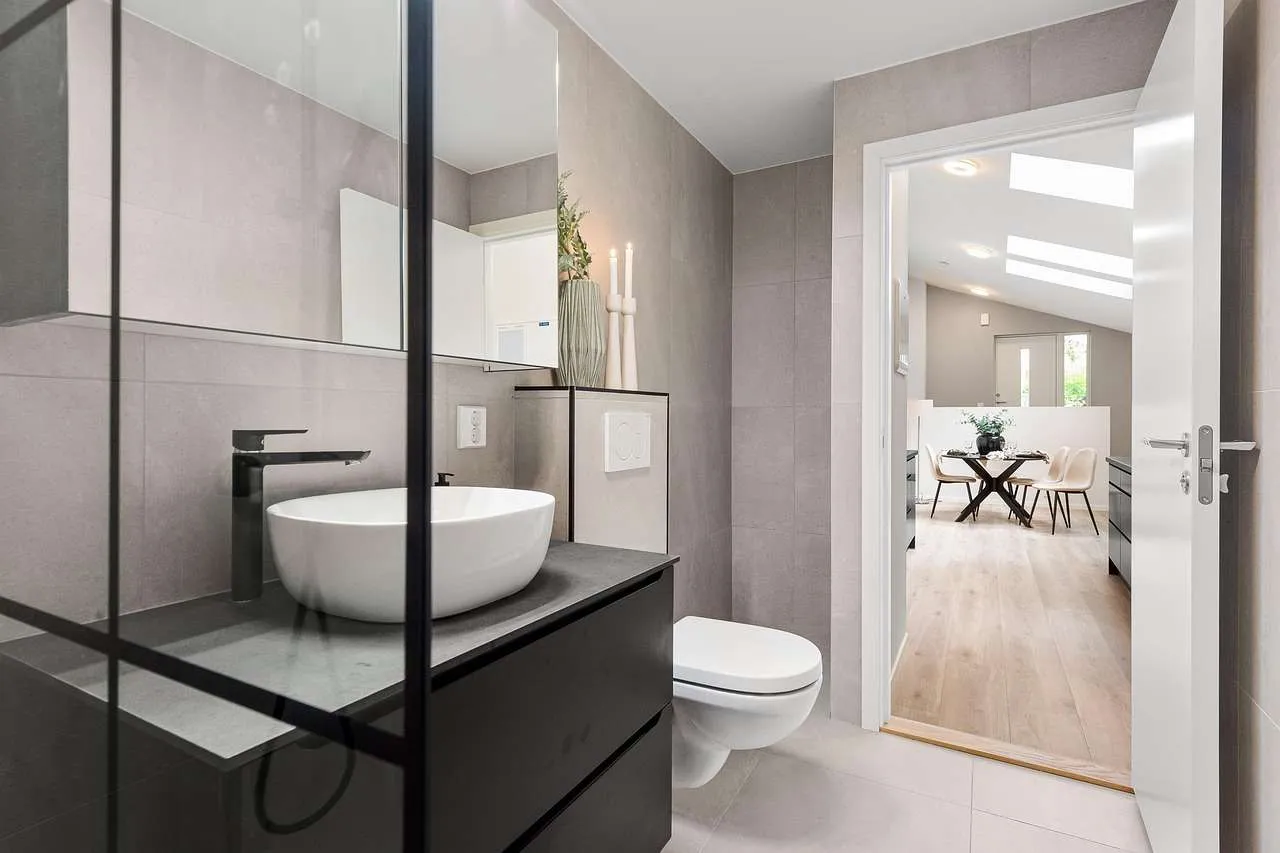
- Color schemes: Neutral tones (beige, gray, white) create a timeless feel, while bold blues, greens, or black trim can create a striking focal point.
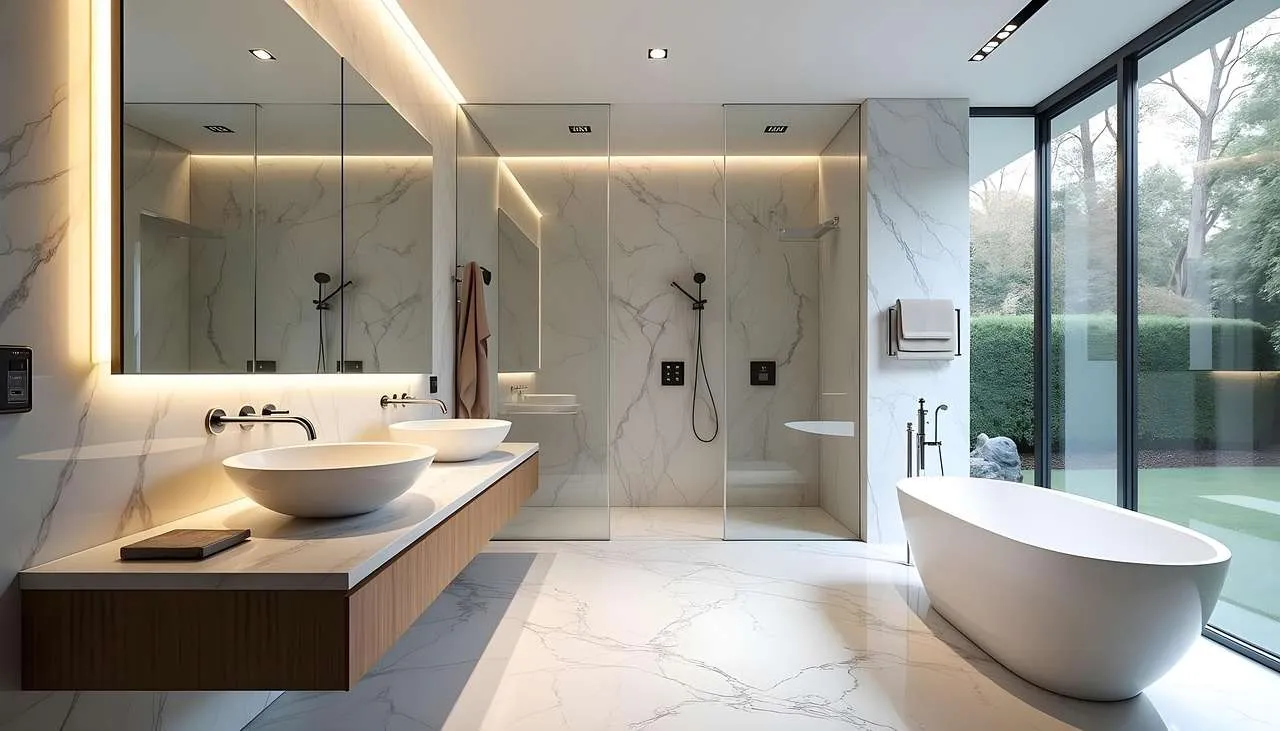
- Patterns and layouts: Herringbone, vertical stacked, or brick patterns add visual interest. Large-format floors with a simple wall tile create a spa-like vibe.
- Accent features: Create a feature wall or a niche with a contrasting tile, or use glass mosaics as a shower accent for texture and light play.
Cost, durability, and value
Tile costs vary by material, size, and labor. Ceramic and porcelain tiles typically offer strong value, with porcelain often delivering better water resistance and longevity for floors. Natural stone provides a premium look but may incur higher sealing and maintenance costs. Labor rates influence total project cost; complex patterns or large-format tiles can increase installation time and expense. For homeowners, weighing upfront costs against long-term durability and maintenance helps maximize value over years of use.
Comparison table: tile types at a glance
| Tile Type | Durability | Maintenance | Cost | Best For |
|---|---|---|---|---|
| Ceramic | Moderate | Low to moderate | Low to moderate | Walls, low-traffic baths |
| Porcelain | High | Low | Moderate to high | Floors and showers, high-moisture areas |
| Natural Stone | High (with care) | High (sealing required) | High | Premium look, dry and wet zones with maintenance |
| Glass | Moderate | Low | Moderate to high | Accent walls, showers, bright spaces |
| Cement | Moderate | Moderate | Moderate | Contemporary look, floor and walls |
How to choose a trusted installer
For many bathroom tile projects, especially in wet areas, working with licensed professionals is essential. Look for installers who provide: portfolio examples, clear written estimates, warranty coverage, and adherence to local building codes. Request references and confirm that waterproofing membranes and sloping are included in the scope. A reputable installer will explain material suitability, provide product data sheets, and offer maintenance guidance post-installation.
Conclusion
Bathroom tiles combine aesthetics with practical performance. By understanding tile types, selecting the right size and finish, planning a solid installation, and committing to proper maintenance, you can achieve a durable, stylish bathroom space. Always prioritize waterproofing, accurate layout, and professional installation for long-term success. Choosing the right tiles leads to easier upkeep, better resilience against moisture, and a design that stands the test of time.
Summary: This article covered tile types (ceramic, porcelain, stone, glass), selection criteria (size, finish, slip resistance), installation basics, maintenance practices, design ideas, and a practical comparison table to help you decide which bathroom tiles suit your space, budget, and lifestyle.