Choosing bathroom tile is about more than looks. It shapes safety, maintenance, and long term value. This guide covers tile types, installation prep, design ideas, and care tips to help you make an informed decision with confidence.
Understanding bathroom tile options
Bathroom tile comes in several families. Ceramic and porcelain tiles are the workhorses of most bathrooms due to durability and water resistance. Natural stone offers luxury but requires more maintenance and sealing. Glass tiles provide sparkle and color accents, while large format panels create a modern look. For floors you will often see porcelain or glazed ceramic because of slip resistance and hardness; for walls, ceramic or glass tiles are popular choices.
Ceramic vs porcelain
Ceramic tiles are typically softer and cheaper, with a wide range of colors and patterns. Porcelain tiles are fired at higher temperatures, making them denser and more water resistant with lower porosity. In wet bathrooms the difference matters over time, especially in showers and high humidity. When choosing, consider slip resistance and foot traffic. For most homes, both ceramic and porcelain meet daily needs, but porcelain is usually the better long term value in showers and floors.
Design considerations
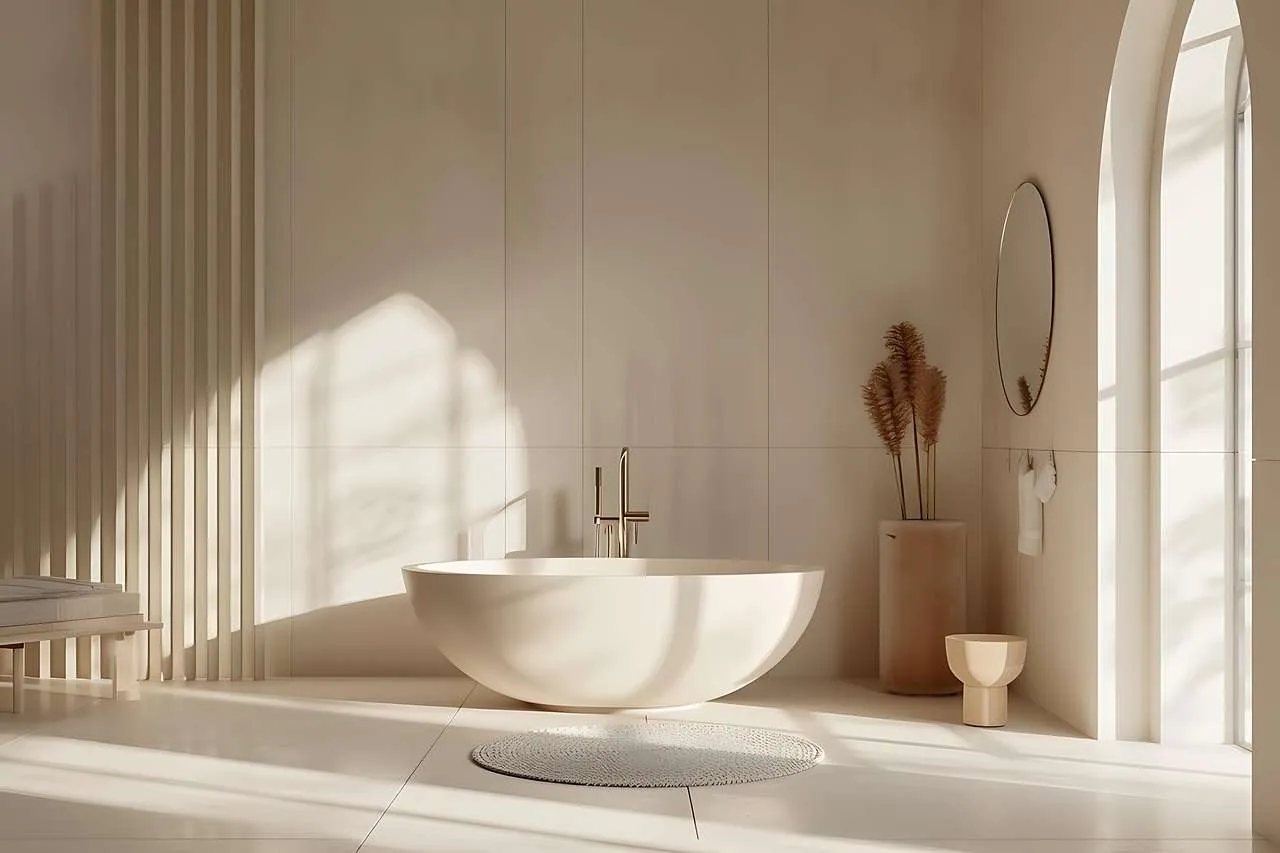
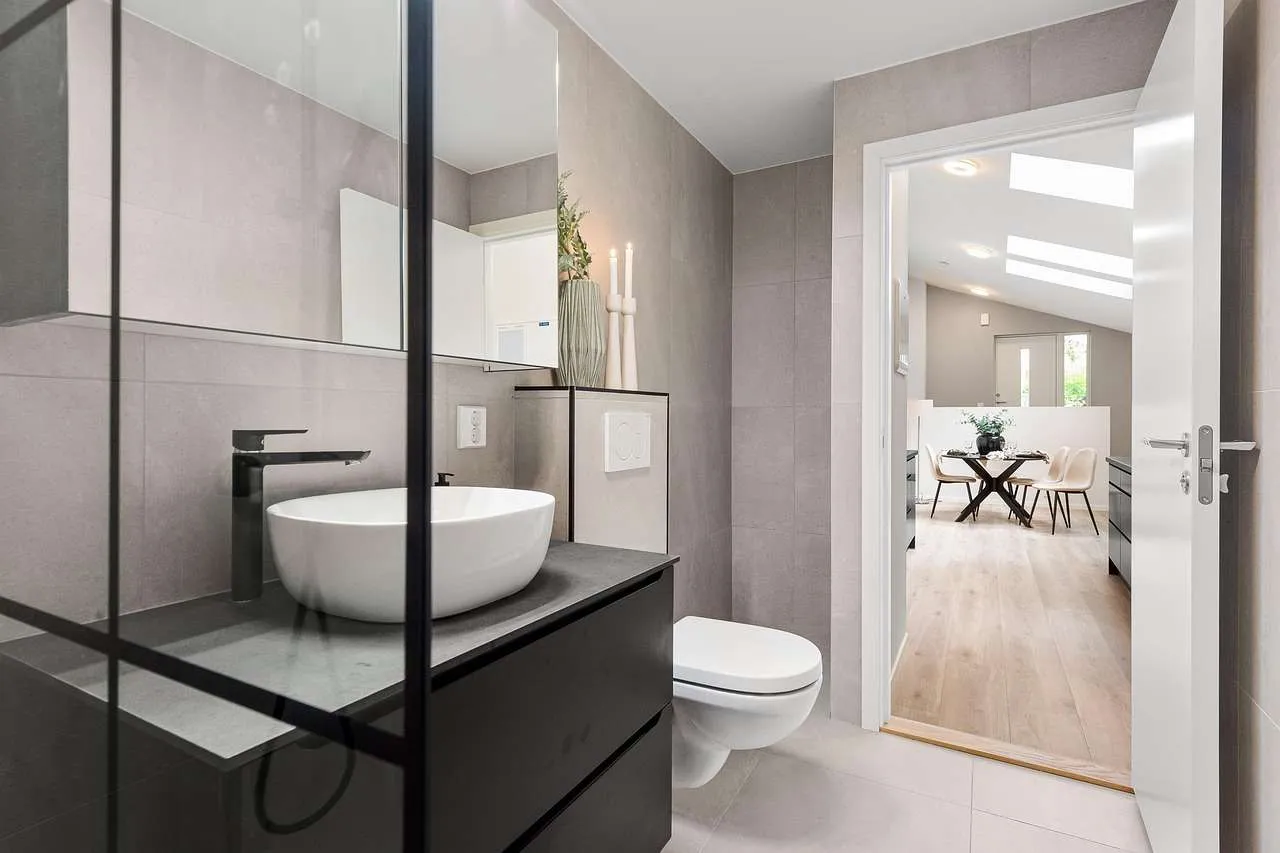
Tile size and layout influence perceived space. Large format tiles minimize grout lines and can create a seamless look, while smaller mosaics offer texture and grip. Finishes matter too: matte textures reduce slipperiness in showers; gloss tiles reflect light and can make small spaces feel bigger. Choose colors that complement lighting and fixtures. For a balanced look, pair a neutral base with an accent tile in water prone zones such as a shower niche or backsplash.
Slip resistance and safety
In bathrooms you should prioritize slip resistance. Look for tiles with a high dynamic coefficient of friction or a certified slip rating such as R10 or R11 for floors. Matte textures usually grip better than high gloss when wet. Stone surfaces can be slippery if not properly finished. Always check product data and install appropriate underlayment or backer boards where needed.
Installation and prep
Proper prep is essential. A clean, level subfloor or backer board, a waterproof membrane, and appropriate thinset mortar ensure long term performance. In showers, an additional waterproofing layer behind the tile protects framing and reduces mold risk. Leave proper expansion joints and use matching grout to prevent cracking. Sealing grout and natural stone as recommended by the manufacturer helps maintain appearance and resilience over time.
Maintenance and care
Regular cleaning with mild, pH neutral cleaners prevents soap scum buildup. Wipe down after showers to reduce moisture. Periodically reseal natural stone or unglazed tiles as directed. For grout, use stain resistant grout and consider tinted epoxy grout in high moisture zones for easier maintenance. Quick fixes for chipped tiles include replacement rather than field repairs to avoid visible patches.
Tile comparison at a glance
| Tile Type | Pros | Cons | Best Use |
|---|---|---|---|
| Ceramic | Affordable and versatile | Less dense than porcelain | Walls and light traffic baths |
| Porcelain | Excellent water resistance and durability | Can be pricier | Showers and floor areas |
| Natural Stone | Luxurious look and unique character | Requires sealing and more maintenance | Showers, countertops |
| Glass | Brightens spaces, modern feel | Can be slippery when wet | Backsplashes, accent walls |
Hiring pros vs DIY
For most homeowners, complex tile work such as shower surrounds or large wet areas benefits from a licensed installer. Look for a contractor with a portfolio, client references, and proper licensing and insurance. Request written estimates that include materials, waterproofing, backer boards, and grout. If you DIY, practice accurate layout, correct underlayment, and careful cutting to avoid lippage. A reputable pro contributes to EEAT by applying best practices and ensuring durable results.
Bathroom tile ideas
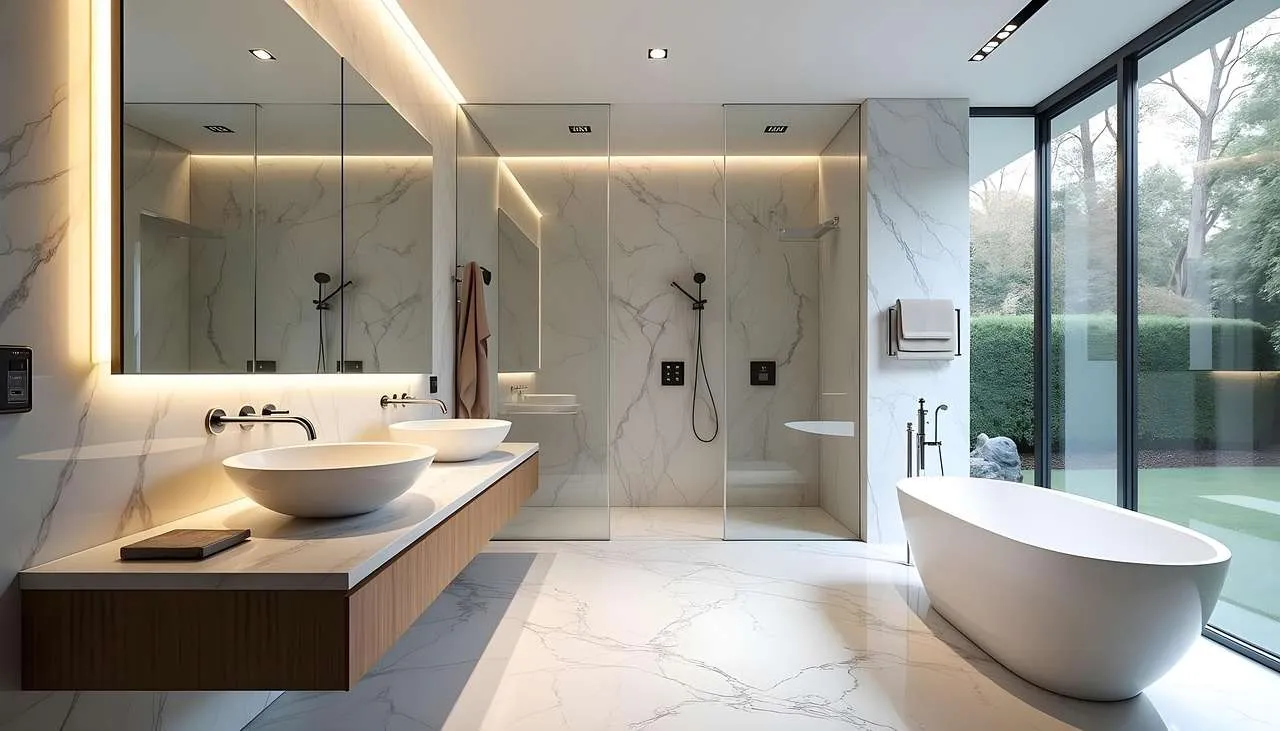
Consider a classic subway tile with a bevel, a neutral large format porcelain floor, or a glass mosaic shower wall for a pop of color. Use a cohesive grout color for a calm look or contrast grout to highlight patterns such as herringbone. In small baths, light colors and large tiles can make the space feel bigger; in baths seeking a luxe feel, pair marble look with glass accents and warm fixtures.
Conclusion, with the right tile choice, preparation, and care, you gain durability, safety, and style that lasts. By selecting the appropriate tile type for each bathroom zone, planning for moisture, and following a solid maintenance routine, you create a space that remains beautiful and low maintenance for years to come.